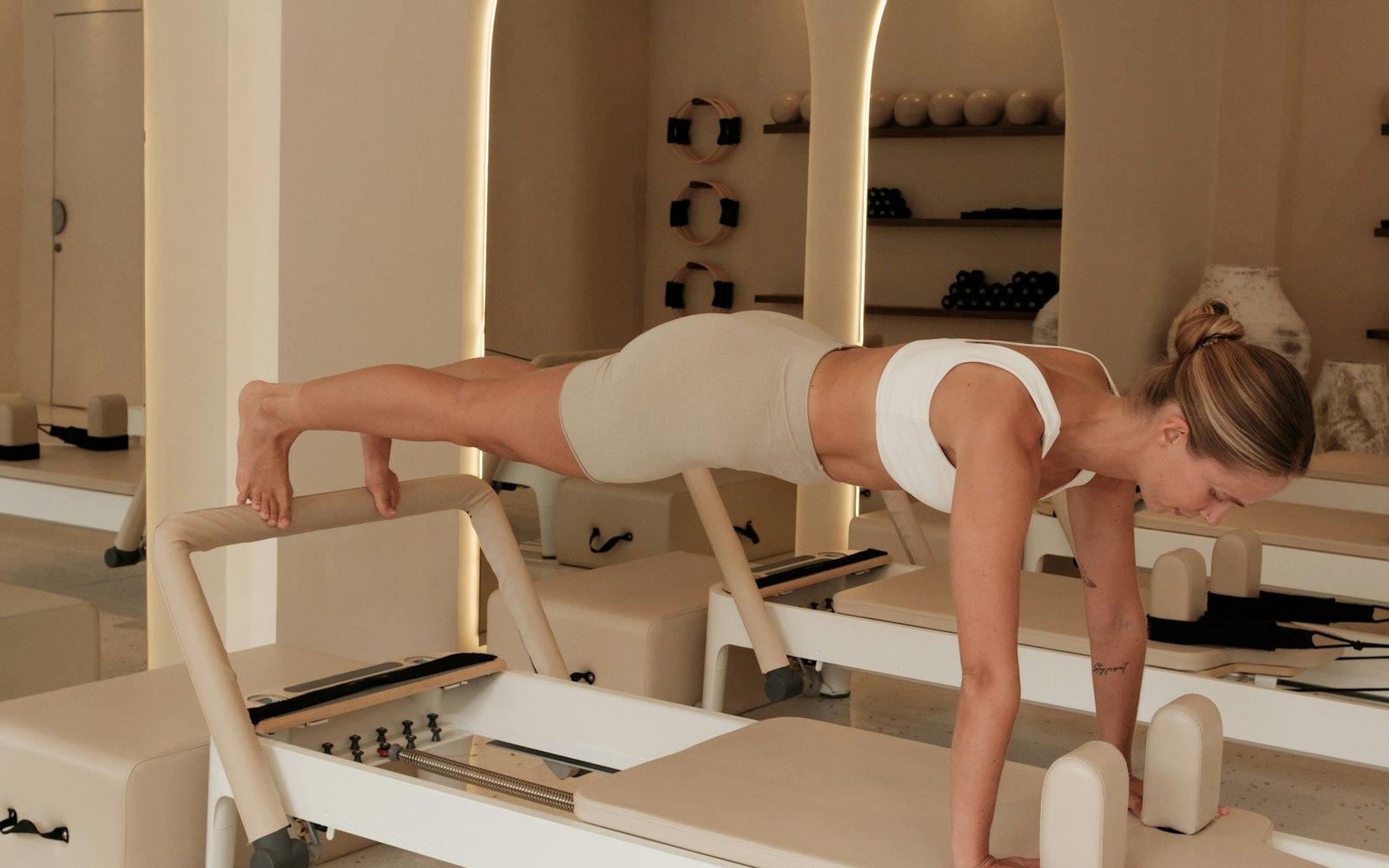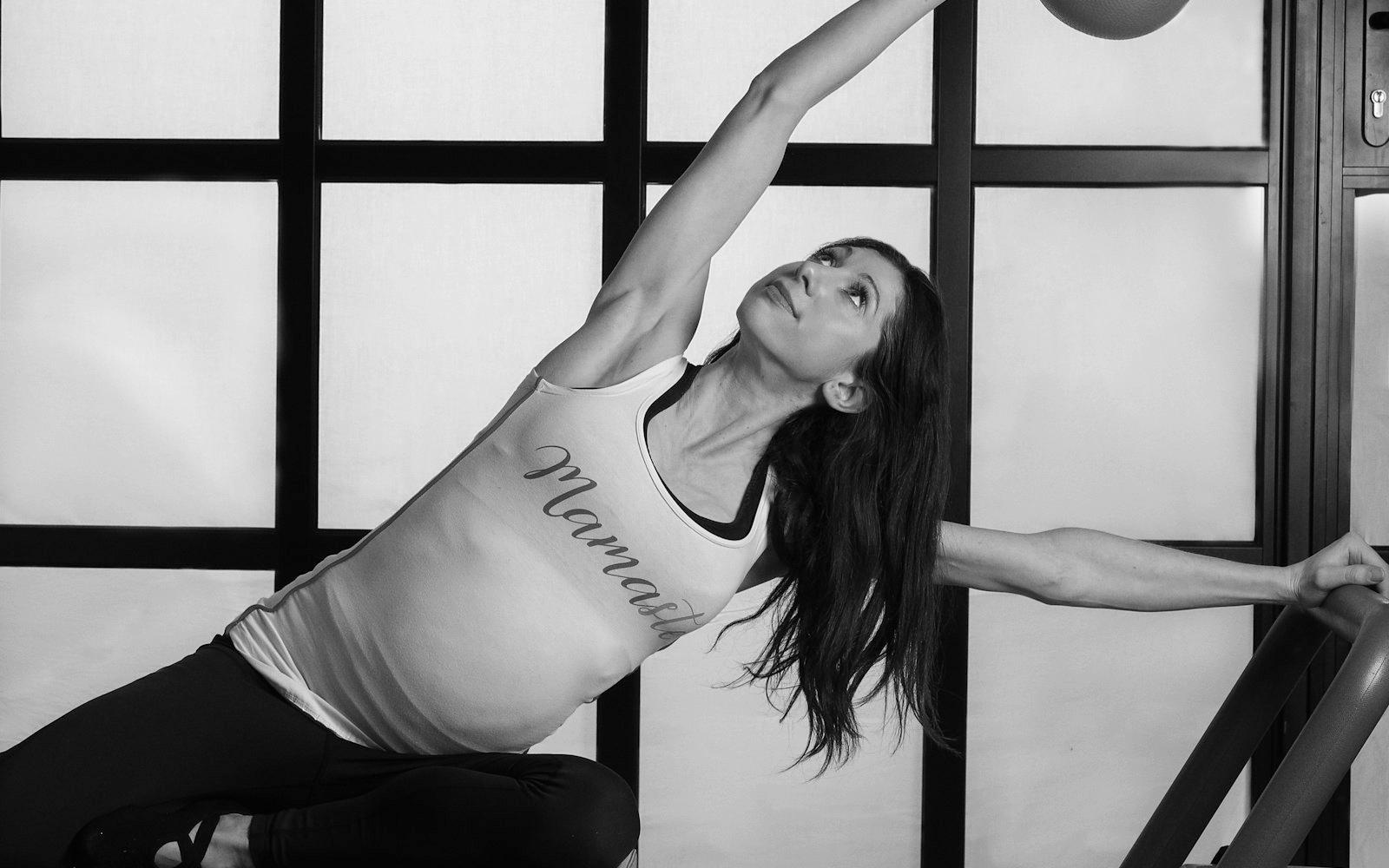
What is OBG Physio?
OBG physiotherapy is care tailored to the body changes of pregnancy, childbirth, and gynaecological health. We see women from the first trimester, through the second and third trimesters, and into postnatal recovery. Postnatal care covers both vaginal delivery and caesarean birth, and each has its own recovery plan. Our protocols follow FIGO and ACOG guidelines.
You might recognise yourself here
- I feel tired and unsure how much I should move in early pregnancy
- My lower back hurts more as pregnancy progresses
- I have pubic bone pain when walking
- My caesarean scar feels tight or numb
- I cannot feel my deep core after birth
- I have pelvic pain during pregnancy
- I want to prepare my body for labour
How we treat
- Trimester-specific assessment and plan, from the first trimester onwards
- Safe exercise, posture, and pelvic floor awareness in early pregnancy
- Manual therapy for pelvic and lower back pain
- Birth-preparation breathing and positioning
- Postnatal recovery after vaginal delivery: perineal care, pelvic floor and core retraining
- Postnatal recovery after caesarean birth: scar mobilisation, abdominal reactivation, posture
- Structured return-to-fitness programme
Treatment timeline
- First trimesterWeeks 1–12
Safe movement, posture, breathing, pelvic floor awareness
- Second trimesterWeeks 13–27
Strength, back and pelvic pain prevention, staying active
- Third trimesterWeeks 28–40
Birth preparation: breathing, positioning, perineal preparation
- Early postnatalWeeks 1–6
Gentle activation, perineal or caesarean scar care, pain relief
- Postnatal reconditioningWeeks 6–24
Pelvic floor, core, strength, return to daily activity
Conditions we treat
- Pregnancy-related low back pain
- Sacroiliac joint dysfunction
- Symphysis pubis dysfunction
- Round ligament pain
- Caesarean scar adhesion
- Perineal pain after vaginal delivery
- Postnatal diastasis recti
- Carpal tunnel of pregnancy
Who is this for?
- Women in the first, second, or third trimester
- Postpartum mothers
- Anyone preparing for a planned caesarean or vaginal delivery
- Women recovering from gynaecological surgery
Benefits you can expect
- More comfortable pregnancy, trimester by trimester
- Confident birth preparation
- Faster postpartum recovery after vaginal or caesarean birth
- Stronger core and pelvic floor
- Reduced caesarean scar tightness
- Safer return to exercise
Measured outcomes
Evidence base
- Level I · Liddle & Pennick
Physiotherapy reduces pelvic girdle pain and improves function during pregnancy.
Liddle & Pennick, Cochrane Review 2015
- Level I · Woodley et al.
Antenatal pelvic floor training reduces post-natal incontinence by ~30%.
Woodley et al., Cochrane Review 2020
Safety & when to seek urgent care
- • Placenta praevia after week 28 (modify positions)
- • Preterm labour or cervical insufficiency
- • Severe pre-eclampsia (medical management first)
- • Reduced fetal movements
- • Vaginal bleeding
- • Severe headache or visual changes
- • Sudden swelling of face and hands